


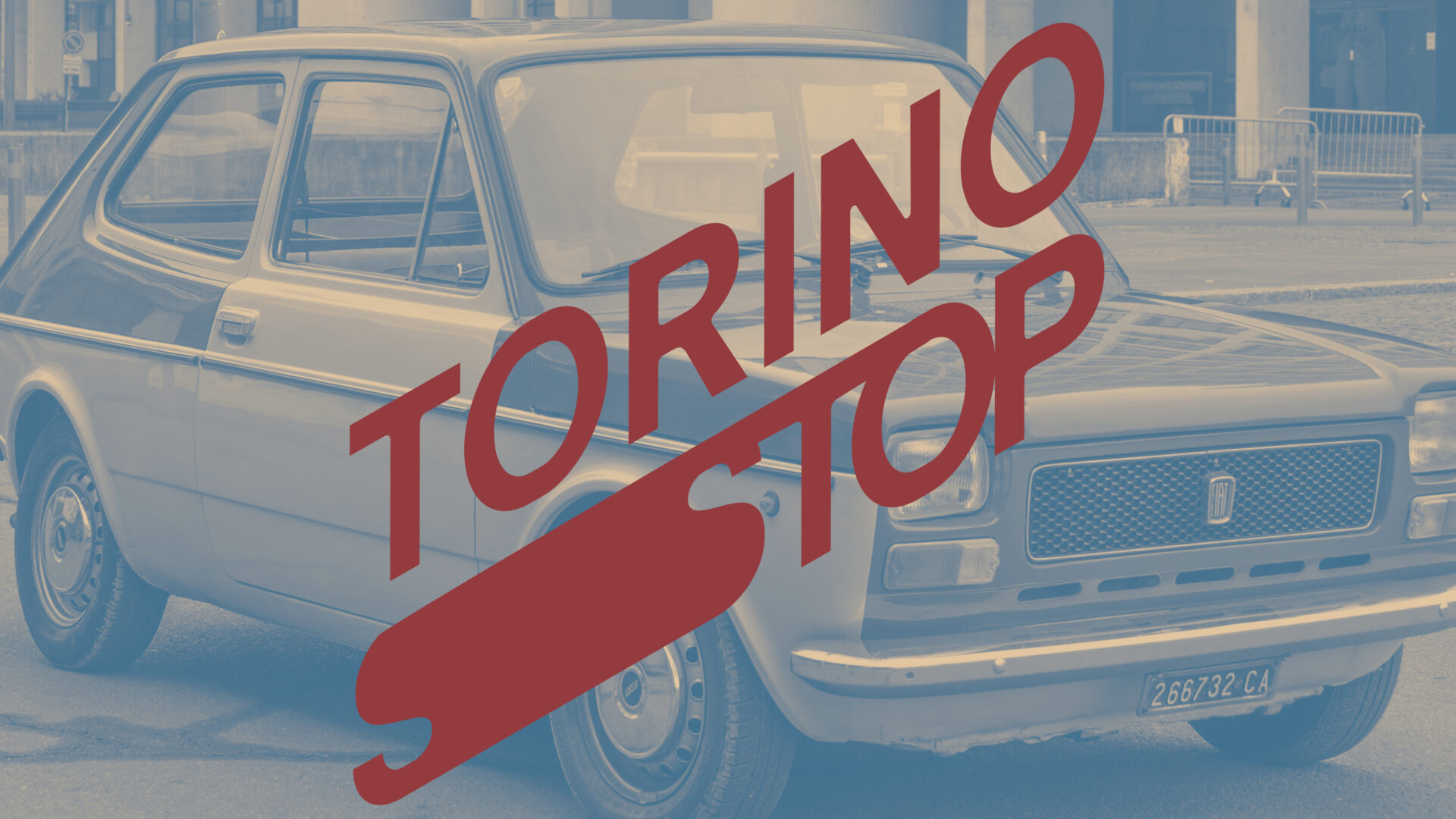
- THE EXHIBITION
Torino Stop
29/10/2024 – 12/01/2025
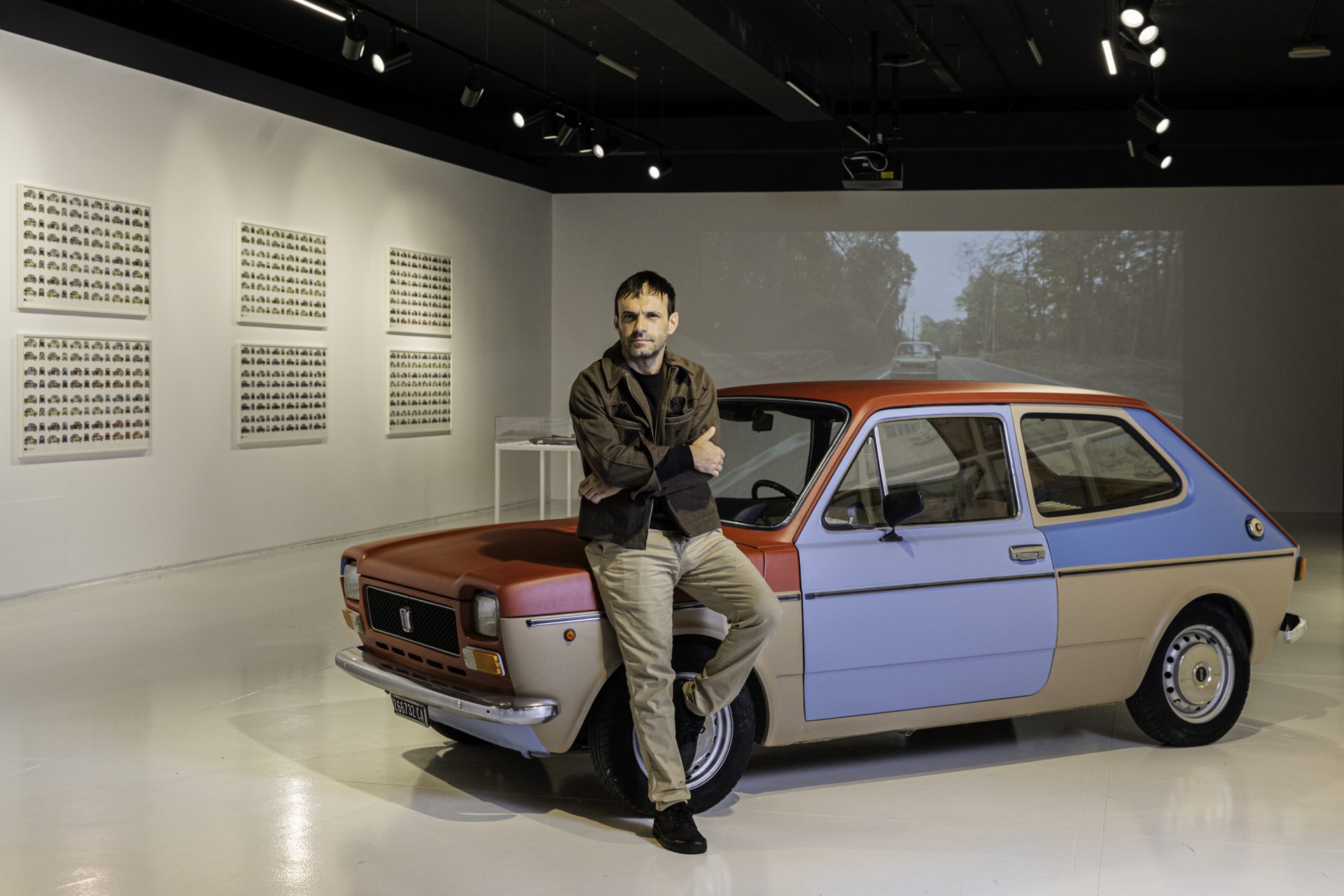
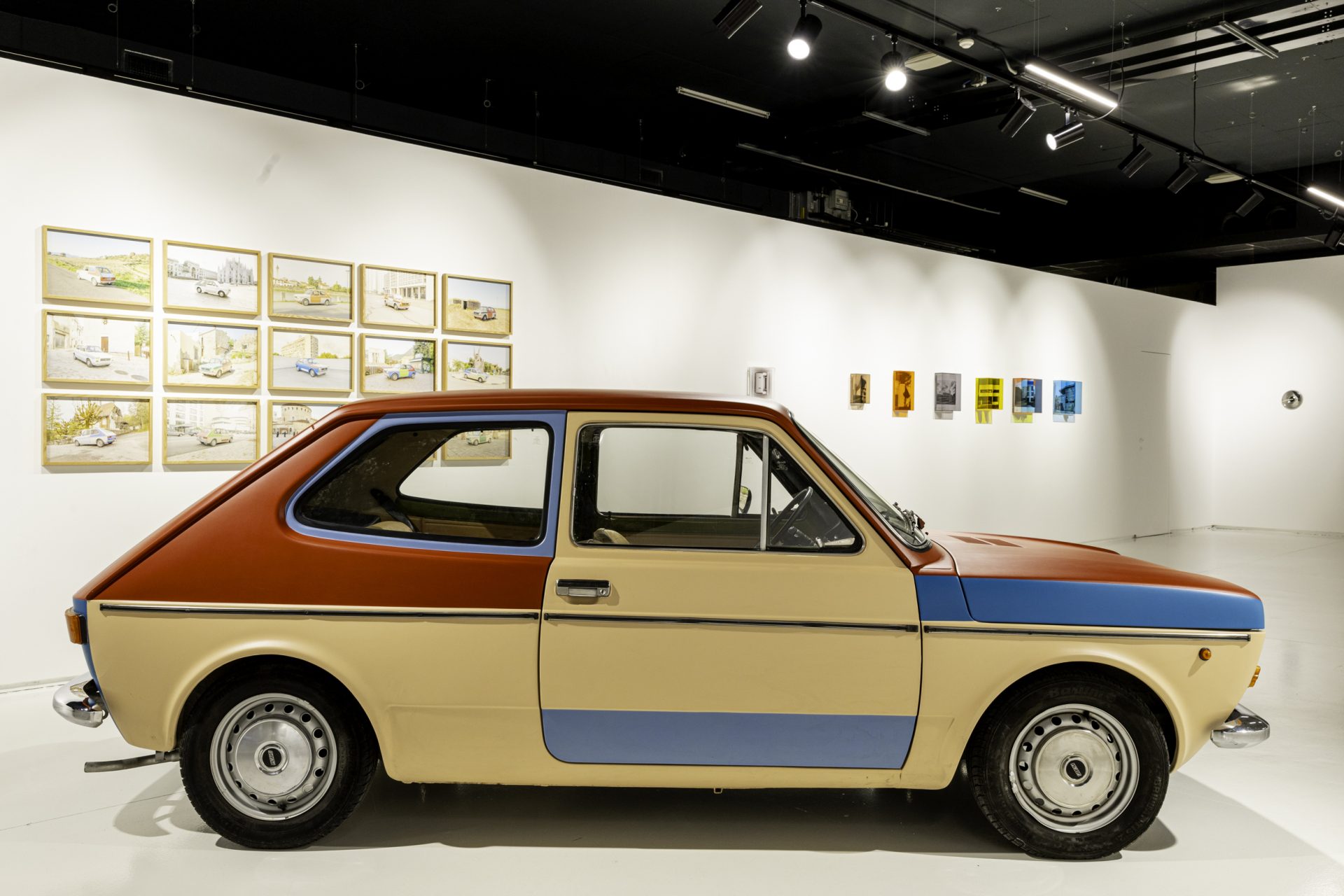
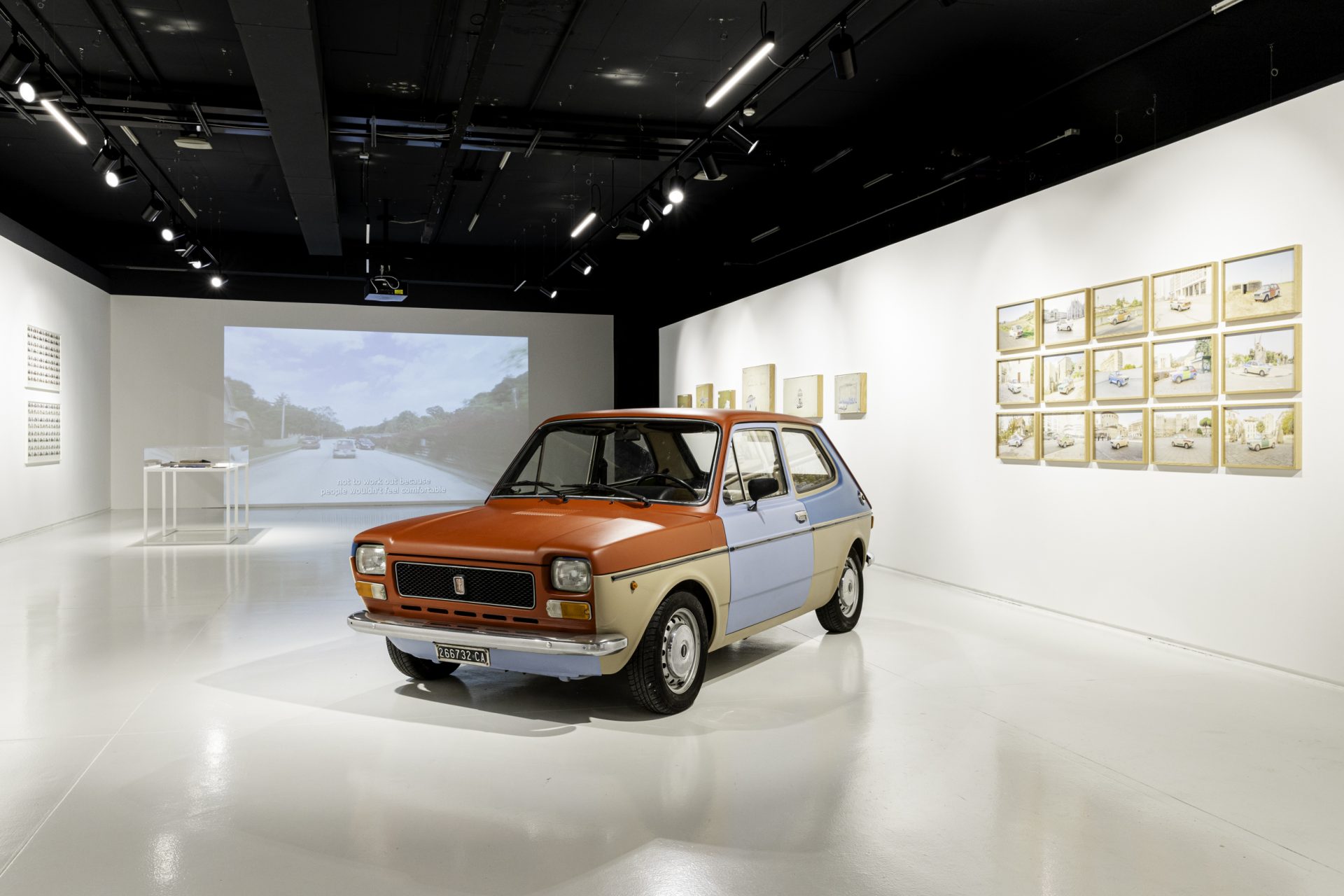
The Fiat 127 Chameleon will be the focus of artist Cristian Chironi’s exhibition until 12 January 2025.
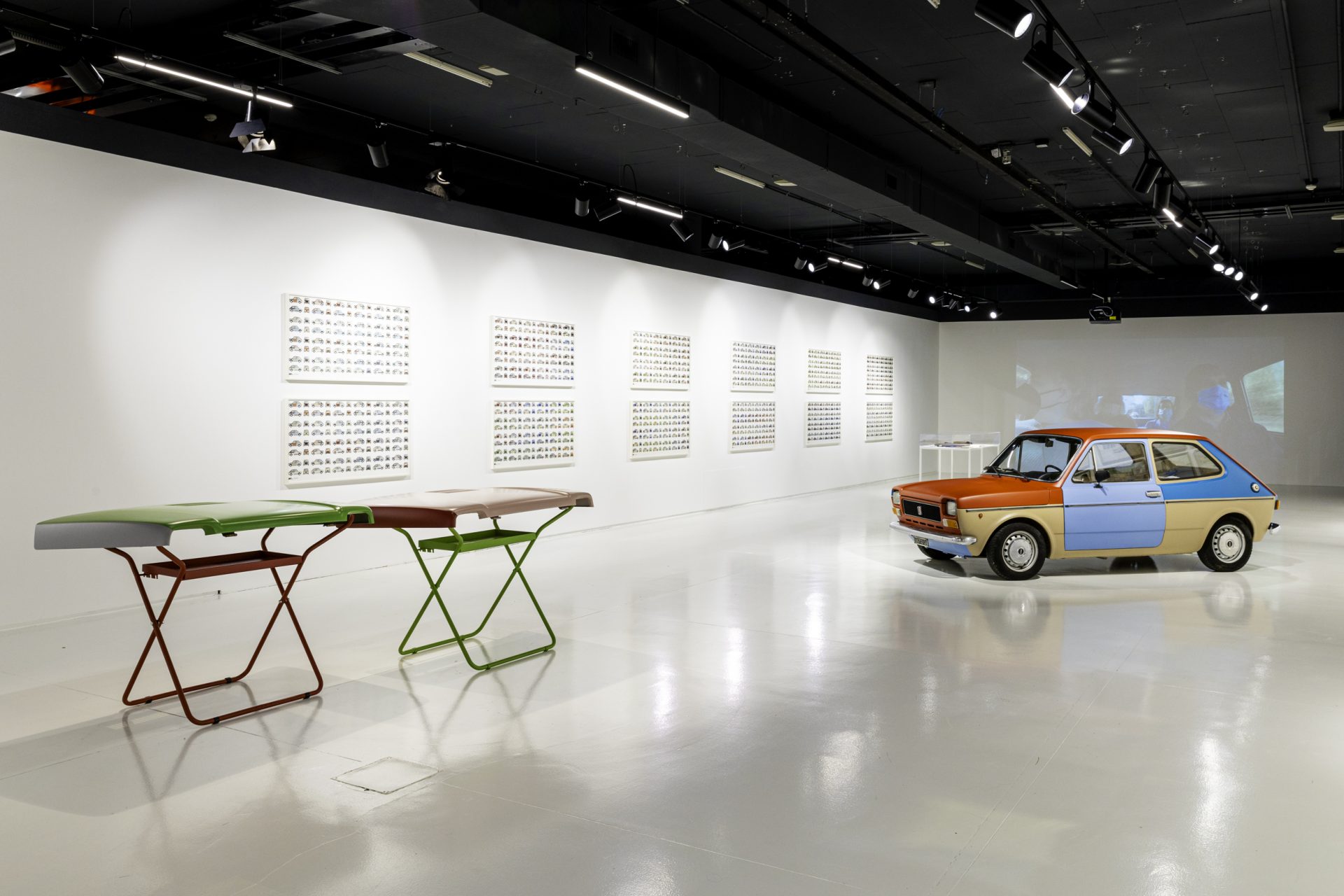
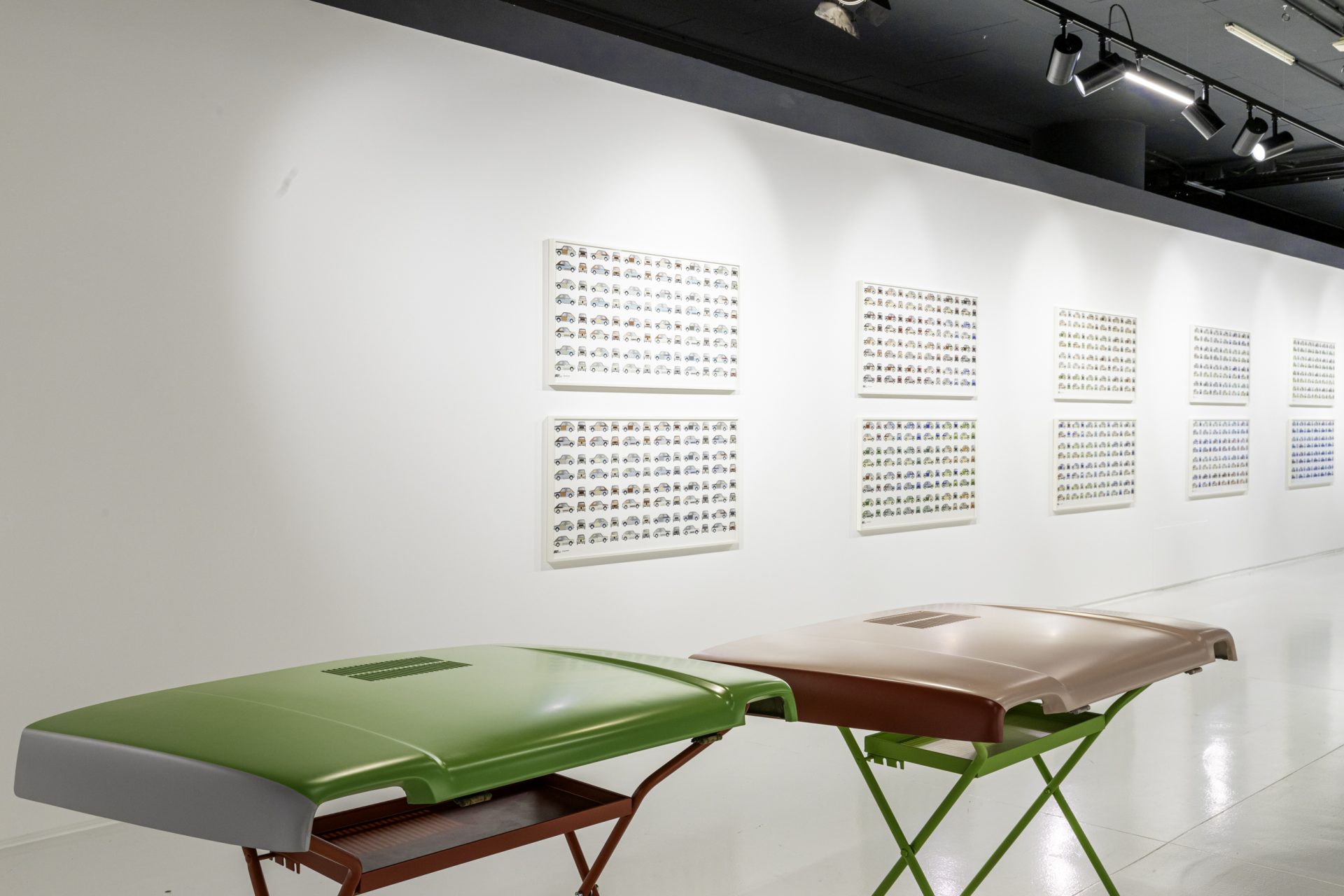
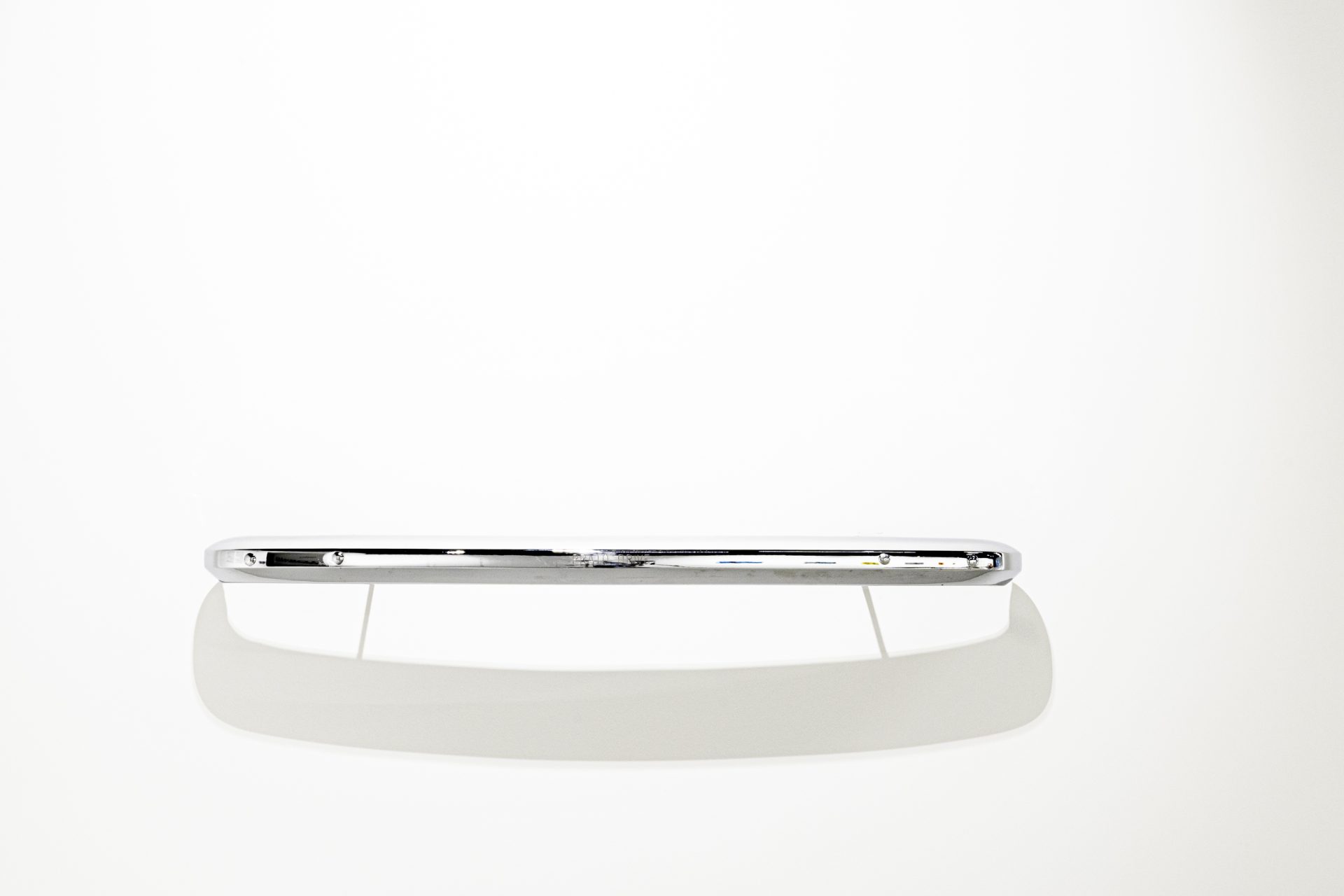
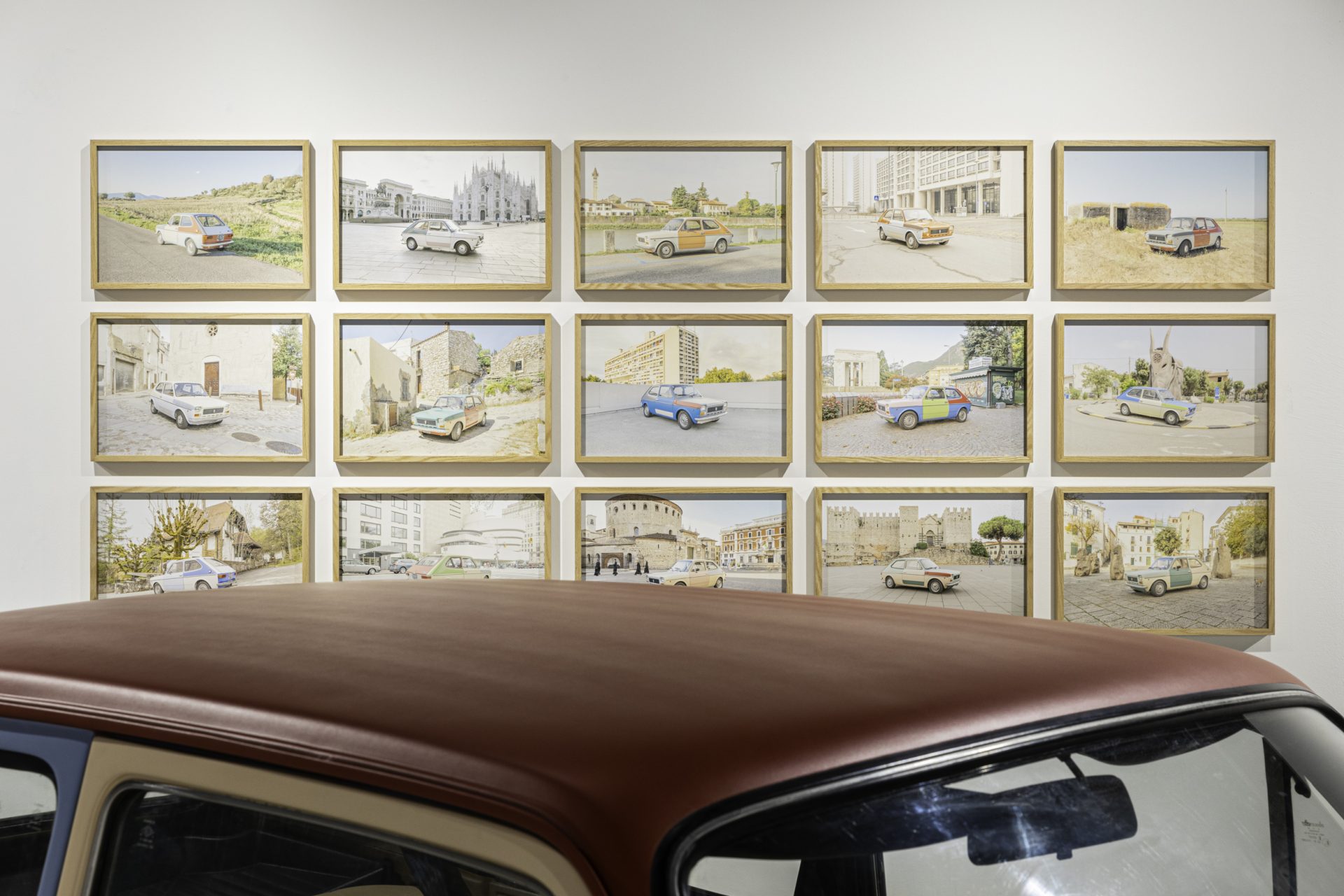
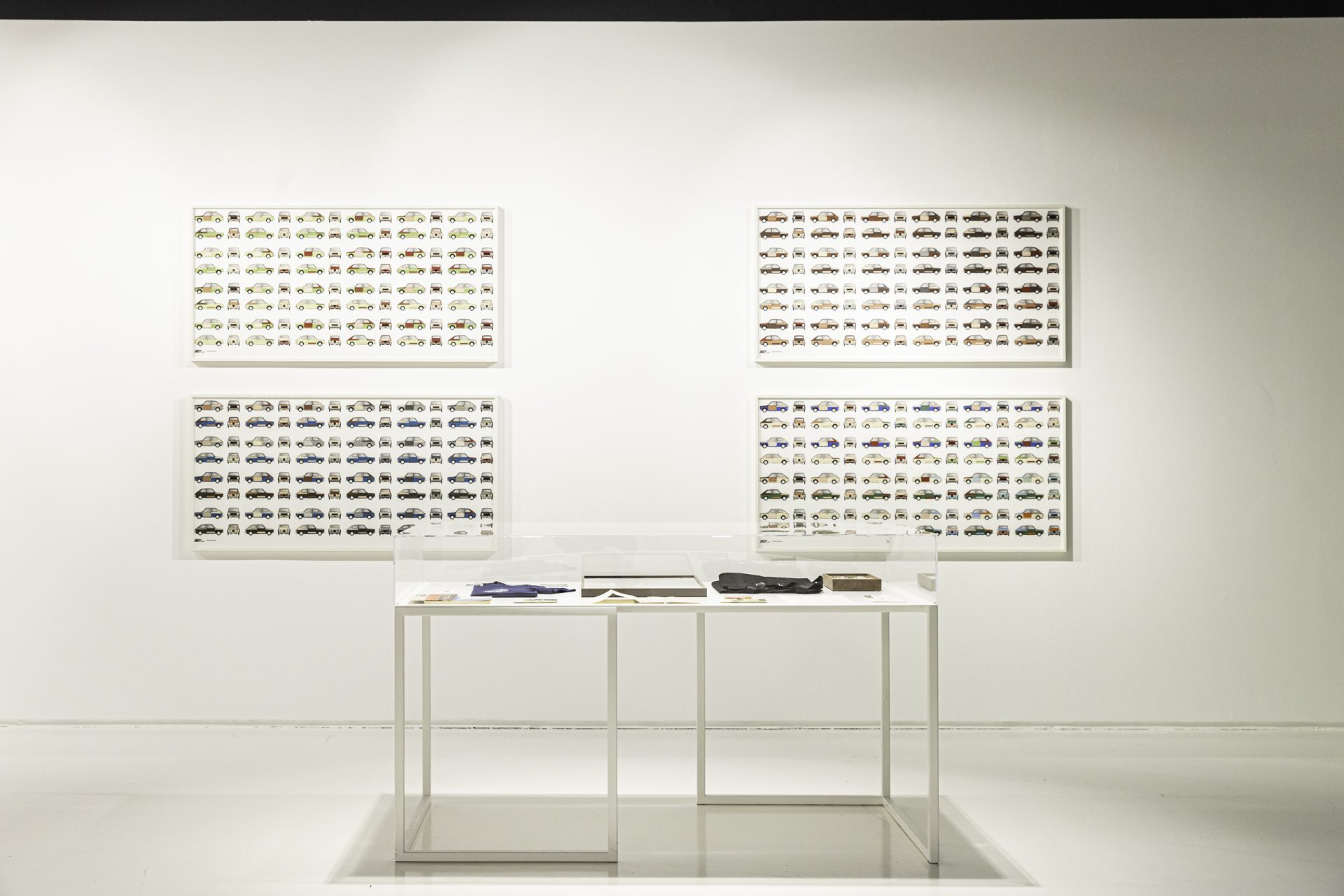
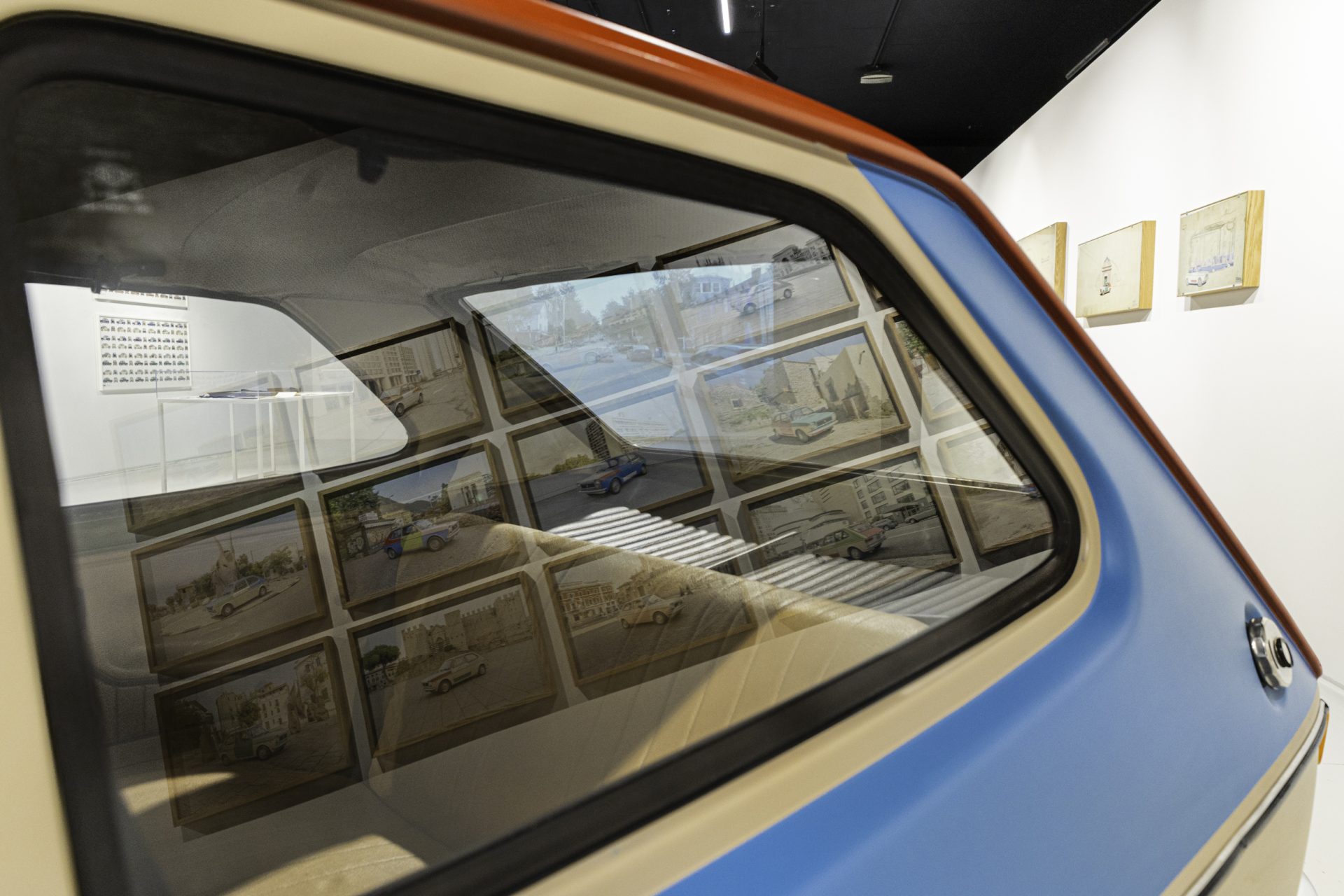
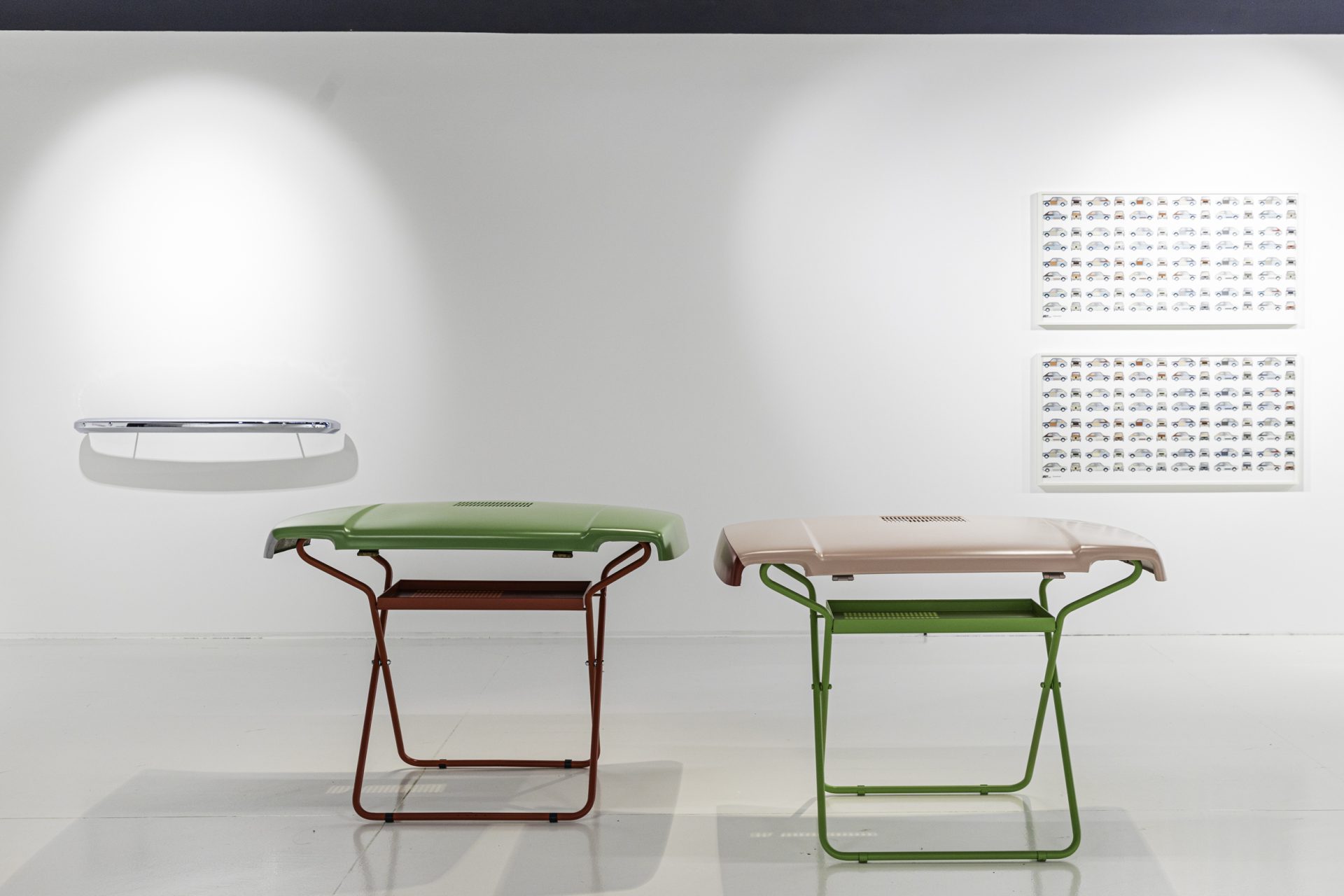
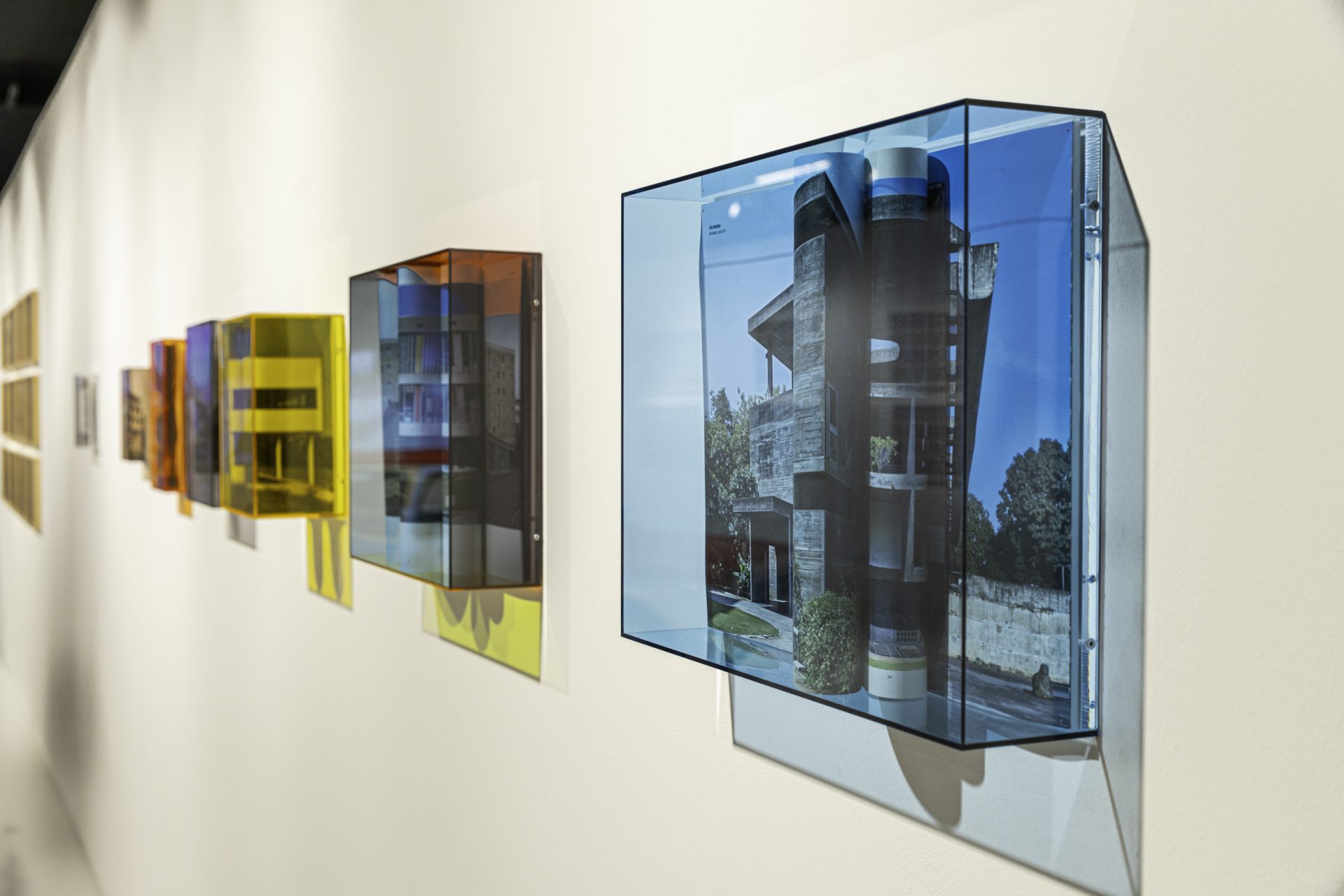
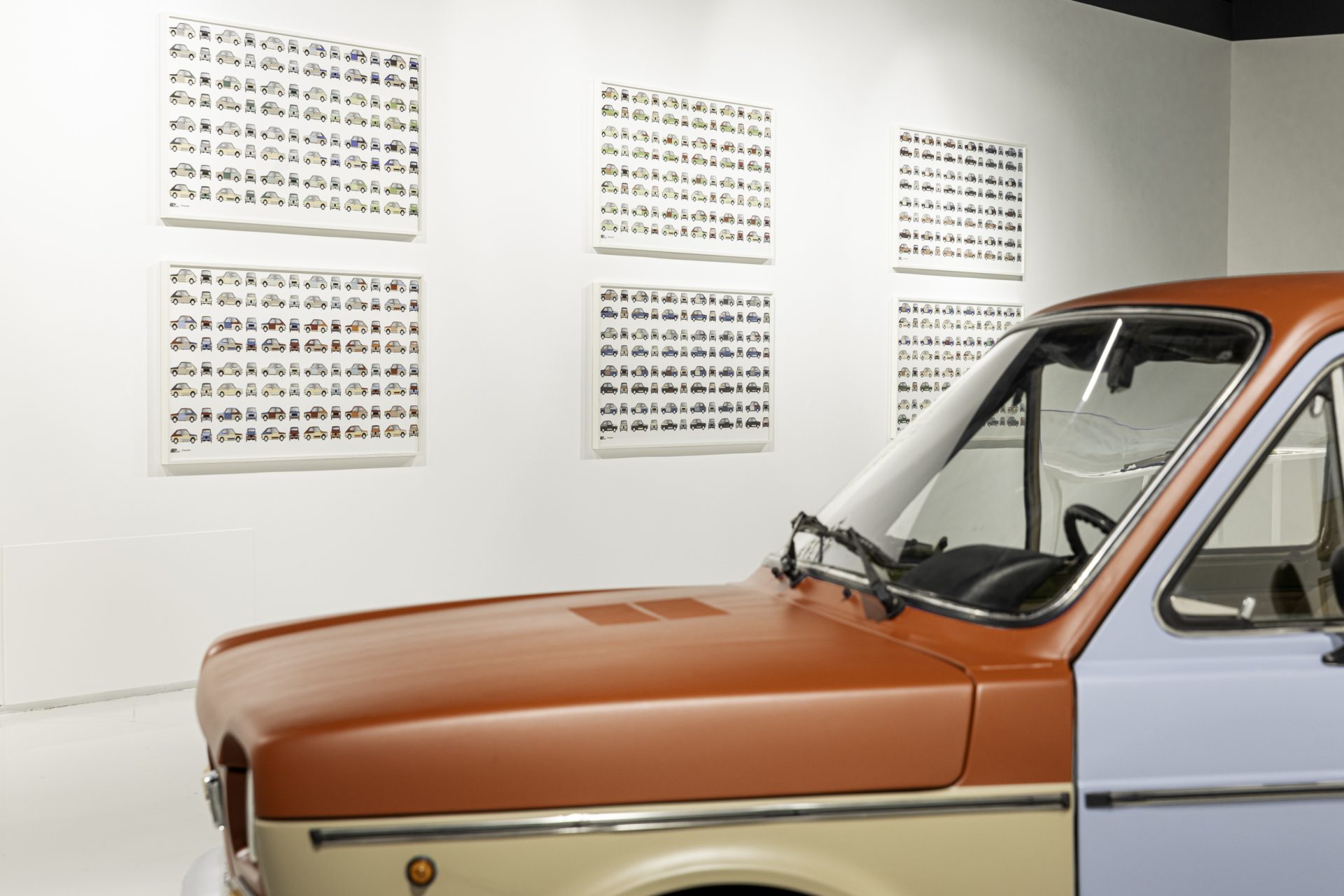
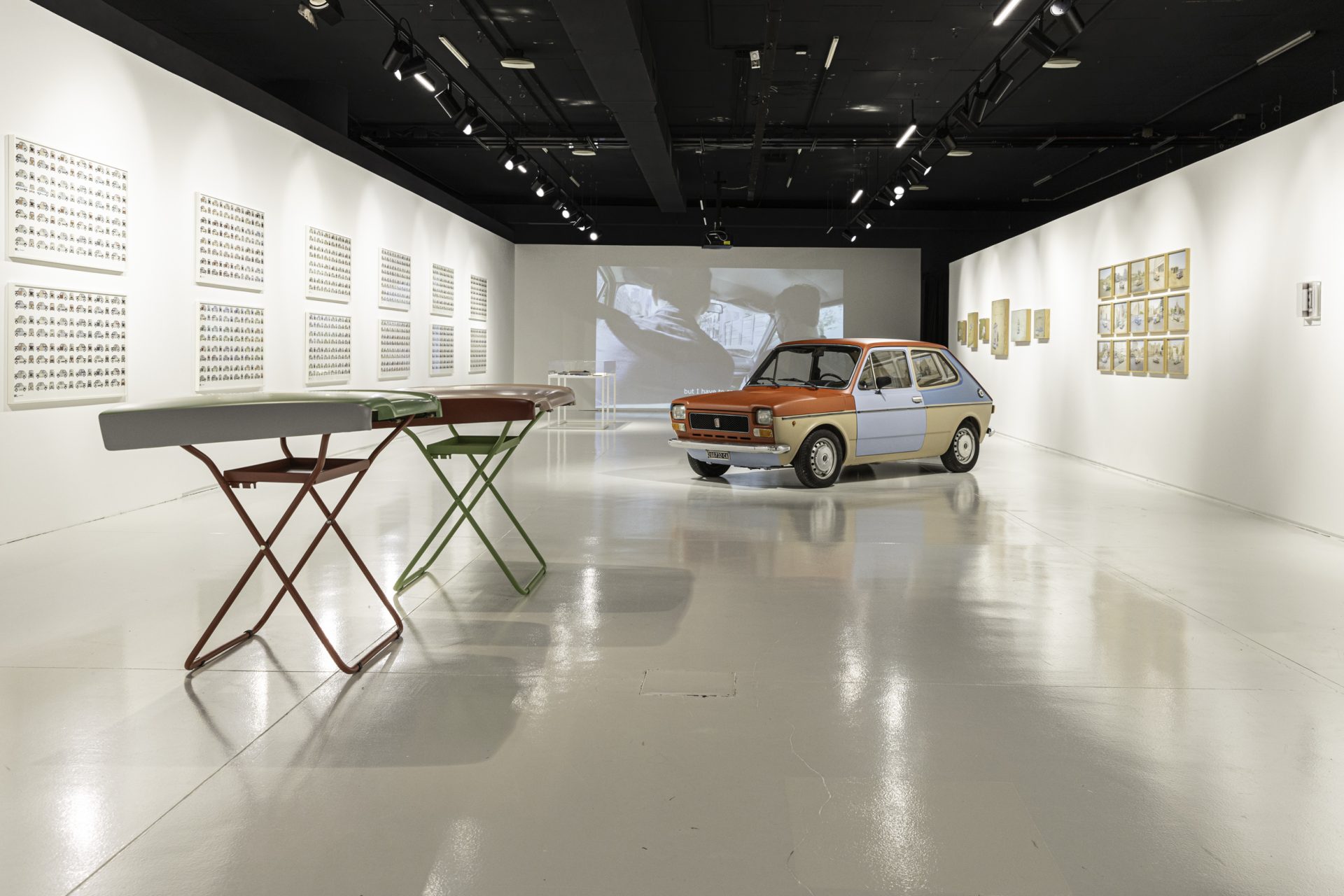
A Fiat 127 Special is the focus of Cristian Chironi’s artistic project. The car is renamed Chameleon because the colour of the body changes according to the places where it stops: the colour customisation is inspired by the colour combinations of the architectLe Corbusier‘s houses, where the artist lives and works with the project My house is a Le Corbusier. The MAUTO Project Room, next to the car, exhibits works that draw on a variety of languages and disciplines – from photography to collage, from sculpture to video-installation – together with elements from previous stages of the travelling project.
Cristian Chironi has driven the Chameleon on the roads halfway around the world, from New York to Marseilles, for a total, to date, of seventeen versions of the FIAT 127 Special, a car designed by Pio Manzù and produced in Turin in 1971 by Fiat, becoming a reference model worldwide. Manzù was not in time to see the completion of his work, as he died in a car accident on his way to Turin for the official presentation of the maquette. The links with the city of Turin are also intertwined with Le Corbusier, who visited it three times: in 1902 on the occasion of the Universal Exhibition at the Promotrice delle Belle Arti; in 1934 he visited the Lingotto in a Balilla; in 1961 when he gave a lecture on the theme of the ideal museum at the ICOM congress.
Translated with DeepL.com (free version)
The decision to use this car is linked both to Chironi’s town of origin, Orani – in the centre of Sardinia – and to an anecdote involving Costantino Nivola, an internationally renowned artist and sculptor, as well as a friend and collaborator of Le Corbusier. Both Chironi and Nivola, fellow countrymen, left the small town of Orani, albeit at different times, returning only after a series of encounters around the world that altered their respective visions of living.
The project has its roots in a story told to Chironi by Daniele, Costantino Nivola’s grandson and the true ‘inspiration’ of the project. In the early 1980s, Costantino Nivola, by then ill, wrote from New York to his nephew Daniele and asked him to transport all his belongings from his Tuscan home to his home town of Orani.
Translated with DeepL.com (free version)




- Performance
Torino Drive
On the occasion of the exhibition, the Fiat Camaleonte was the protagonist of Torino Drive, a performance on the streets of Torino. The artist invited the public to get on board for a short journey – 30 minutes – to reflect on themes such as migration, memory, building a home, hospitality and the sense of place. A shared experience with the aim of reconnecting with the territory and transforming the cockpit into a space for dialogue.
Many years after Nivola‘s 127 returned to Orani, Chironi re-used the same car model for an artistic and performative gesture, in a journey made up of departures and returns, generational correspondences, encounters and imaginary visions recorded through the window. Each performance was open to three passengers, who joined Chironi and the different co-pilots. Each passenger was involved in a conversation that shed light on the itinerary undertaken.
The journeys were also opportunities to listen to previously unreleased sound compositions, born from the collaboration with musicians and sound designers who chose to take part in the project: Francesco Brasini, Alessandro Bosetti, Massimo Carozzi, Daniela Cattivelli, Coro di Radio France, Paolo Fresu, Gavino Murgia, Stefano Pilia, Francesco Serra, Henrik Svedlund, Pietro Russino, Dominique Vaccaro, Sophie Vitelli.
- BEYOND THE EXHIBITION
Luci d'artista - Supercar
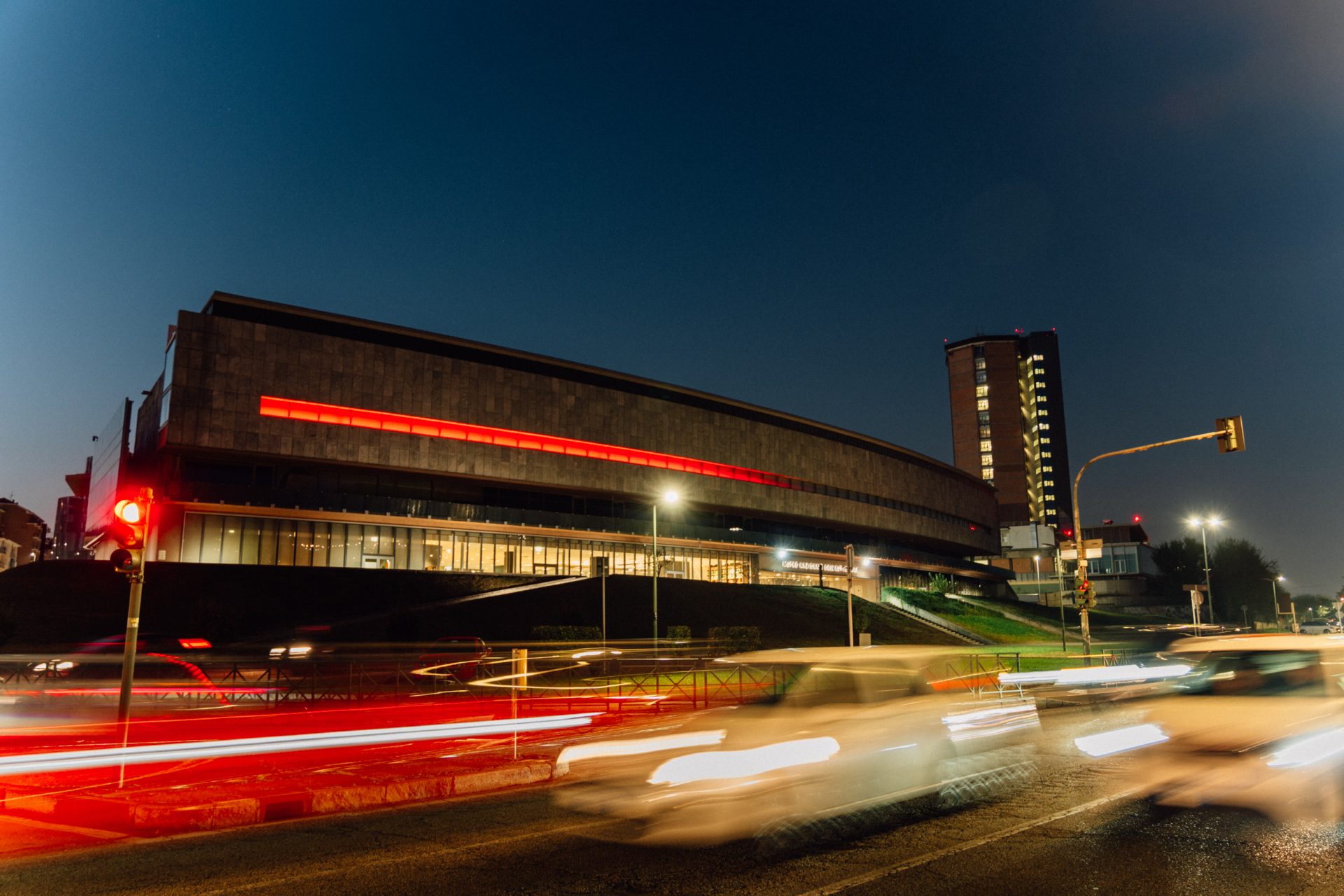
Cristian Chironi is also the artist to whom the National Automobile Museum has commissioned the new Luce d’Artista, which will become part of the public collection of the City of Turin.
Supercar is the title of this new light installation that combines light, architecture, cars, science fiction, customisation, movement and collective imagination.
The artist has intervened on the façade of the building in Corso Unità d’Italia, imagined as the front of a car: the windows overlooking the balcony house a light scanner that moves along a horizontal line, bringing the architecture into a new space-time context. Cristian Chironi works on the light sign to transform the architecture of the Museum into a concept that is the result of a dialogue – always central to his artistic research – between reality and fiction, memory and the contemporary, past and present.
A work with different levels of interpretation and explicit references to popular culture and collective memory that leaves room for the relationship with the more contemporary concept of the ‘supercar’, or theautomobile sapiens capable of interacting with the user and the context, processing information, learning and acting autonomously according to ways and criteria similar to those of human beings.
- PROJECTS AND MEETINGS
Public Program
Some of the scheduled meetings – all free and upon reservation – develop from the themes addressed by the temporary exhibitions and research activities of the Museum’s Conservation and Restoration Centre and Documentation Centre.


